


Dementia Safe Haven — Immediate, Calm Support
Our Dementia Safe Haven offers a calm, structured environment for people experiencing distress related to memory loss or confusion. Trained staff are on hand around the clock to provide reassurance, short-term practical help and a safe place to rest while longer-term plans are arranged. The service focuses on reducing anxiety and preventing unnecessary hospital visits by using familiar routines, sensory comforts and gentle communication techniques. Families and carers can access immediate guidance, short respite or support to find follow-up care options, all delivered with respect and dignity.
Key benefits at a glance
What We Offer
The Safe Haven blends clinical awareness with a home-like atmosphere so people with dementia feel safe and understood. Staff use familiar activities, sensory aids and predictable routines to lower stress and re-establish orientation. Assessment on arrival identifies immediate needs and informs a short action plan, including medication review if required and liaison with primary care teams. The goal is to stabilise the person, support carers, and create clear next steps toward ongoing care or community services. Every interaction prioritises dignity, consent and clear communication with families.
Calm, person-centred care
Trained dementia specialists
Carer guidance and signposting
Safe short-term respite

A comfortable, supportive environment
Environment and Approach
Our space is designed to reduce triggers that can worsen confusion: soft lighting, gentle colours, familiar seating and quiet activity corners. Sensory tools such as tactile objects, calming music and memory prompts are available. Staff tailor engagement to each person’s life history and preferences, using simple language and steady pacing. We also provide brief carer consultations to explain what helped, offer coping strategies for future episodes, and arrange referrals to memory services or social support where needed. The aim is practical, compassionate short-term help that supports stability.

Immediate Access
Walk-in or referral available
Specialist Staff
Dementia-trained support team
Community Links
Coordination with local services
Key Points
Our care model emphasises quick stabilization and practical next steps. On arrival, staff complete a concise assessment to identify medical needs, triggers for the episode and the person’s usual routines. Interventions focus on reassurance, orientation aids and minimising distress while engaging carers in decision-making. Follow-up may include contacting GPs, arranging community nursing, or referring to memory clinics. We also provide written summaries and safety suggestions so families can continue supportive strategies at home. The service aims to reduce crisis escalation and improve confidence for carers.
Safe, non-clinical setting
Short-term personalised plans
Support for carers too
Signposting to follow-up care
Activities that soothe and orient
Therapeutic Engagement
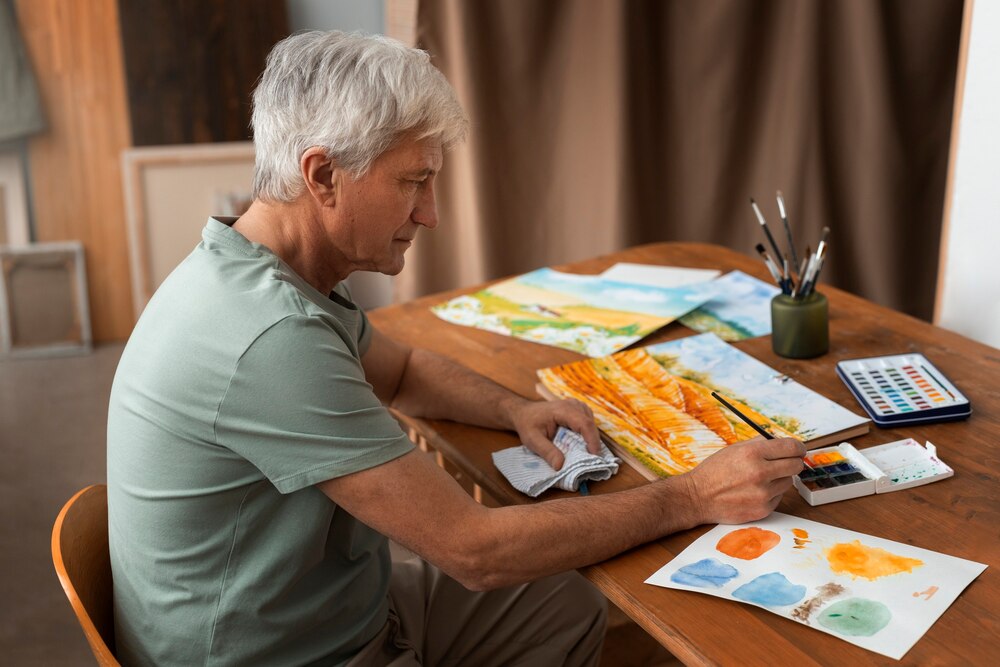
Activities are gentle and familiar: simple puzzles, music from the person’s past, tactile items and short, guided reminiscence. These help reduce agitation and re-establish a sense of self. Staff observe responses to different supports and adapt plans accordingly. We keep families informed and invite them to join soothing routines when appropriate. The approach balances safety with autonomy, encouraging small choices to preserve dignity while ensuring stable care during the immediate period of need.
FAQs
Frequently asked questions about access, duration and follow-up support.
Who can use the Safe Haven?
People living with dementia who are in distress, plus carers seeking immediate support or advice.
Do I need an appointment?
Many visits are walk-in, but referrals from clinicians or carers are also accepted to speed support.
How long can someone stay?
Stays are short-term and goal-focused; duration depends on clinical needs and safety planning.
Is medication reviewed here?
Staff can flag medication concerns and liaise with prescribers; urgent medical needs are escalated.
Will my GP be informed?
We encourage communication with the person’s GP and can send summaries or referrals as needed.
How to access support
Access and Practical Information
If someone is confused, distressed or at risk of harm, contact the Safe Haven directly or speak to a health professional for referral. We accept walk-ins when capacity allows and prioritise urgent need. Carers should bring any medication lists and relevant medical information to help rapid assessment and safe care planning.