


Community Pharmacist Consultation Service (CPCS)
Quick, confidential clinical consultations with an accredited pharmacist for urgent, non-emergency health concerns. Same-day support and treatment where appropriate.
A patient-centred clinical review
What to Expect During Your Consultation
When you attend a CPCS consultation, a trained pharmacist will take a clinical history, review symptoms and any medications you take. They will offer evidence-based advice, recommend treatments available over the counter or supply a medicine when clinically appropriate, and make referrals to GPs or urgent care if necessary. Consultations are private and focused on resolving the issue promptly. Pharmacists will explain follow-up steps, provide safety advice and update your medical record where permitted. The aim is prompt relief and preventing escalation to emergency services.
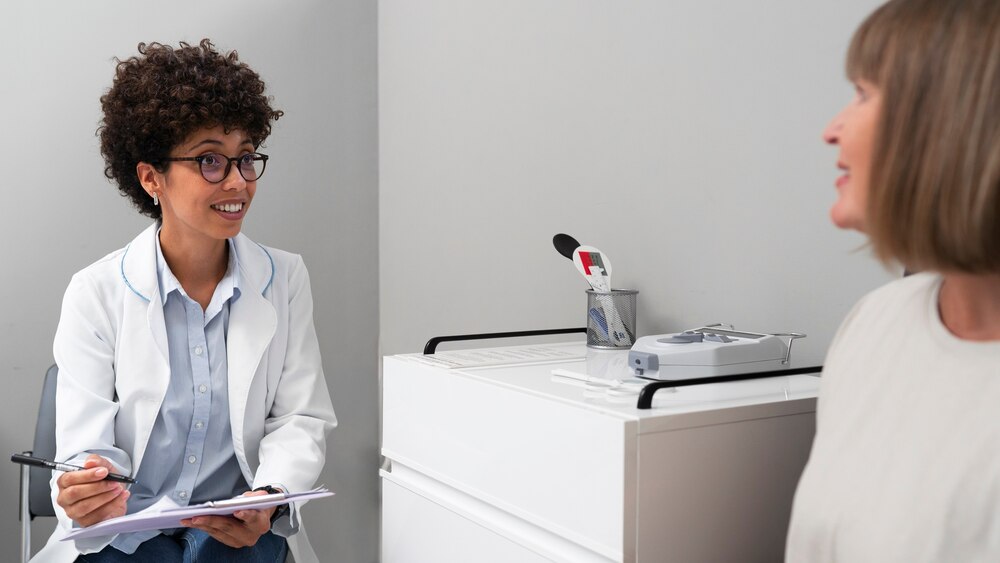
Fast clinical support when you need it
Accessible Care Close to Home
CPCS offers timely clinical access without the need for GP or A&E visits for many minor urgent issues. Pharmacists assess symptoms, consider medical history, and provide treatment or onward referral. This service improves access to healthcare by using pharmacists’ clinical skills and local availability. It is ideal for conditions like uncomplicated infections, minor injuries, allergic reactions, gastrointestinal complaints and medication-related problems. By using CPCS you get professional assessment, appropriate treatment and advice on when to seek further care, helping reduce pressure on other parts of the health system.
Same-day appointments available
Private consultations in-store
Clinical assessment and advice
Referral to other services

Common conditions suitable for CPCS
When to Use CPCS
CPCS is designed for urgent but non-life-threatening conditions where a pharmacist’s assessment can provide effective care. Typical presentations include uncomplicated urinary tract infections, sore throats, earache, sinus problems, minor skin infections, insect bites, and minor stomach upsets. Pharmacists can supply or recommend over-the-counter medicines, provide prescription-only medicines under agreed protocols, or refer you to a GP or urgent care if further assessment is needed. If you’re unsure whether CPCS is appropriate, contact the pharmacy and they will advise on the best next steps.

Key Benefits of CPCS
The Community Pharmacist Consultation Service makes effective use of pharmacists’ clinical training to improve patient access to urgent care. It delivers timely symptom assessment, targeted treatment, and referrals where necessary. Patients benefit from convenience, reduced waiting times and expert medication review. CPCS also helps streamline local healthcare resources by managing suitable cases in the pharmacy, avoiding unnecessary GP appointments and easing A&E demand. Pharmacists will document consultations and communicate with other care providers to maintain continuity of care when required.
Faster access to clinical advice
Private, confidential consultations
Reduces pressure on GP services
Appropriate treatment or referral
Qualified Pharmacists
Clinically trained staff
Fast Access
Same-day assessments available
Local Service
Convenient community location
Simple steps to secure an appointment
How to Book
You can be referred into CPCS by NHS 111 or sometimes via your GP practice. Many pharmacies also accept walk-ins or phone bookings for same-day consultations. Call ahead to check availability or to be directed to the correct process. When booking, share brief symptom details and any medications you take so the pharmacist can prepare. Bring any relevant medicine packaging to your appointment.
Frequently Asked Questions
Answers to common queries about CPCS
Is CPCS the right service for me?
CPCS is appropriate for urgent but non-life-threatening issues where a pharmacist can assess and treat or refer you. If symptoms are severe or life-threatening, call emergency services.
Do I need a GP referral?
You can be referred via NHS 111 or your GP, but many pharmacies accept walk-ins or direct bookings depending on local arrangements.
Will the consultation be private?
Yes. Consultations take place in a private area to ensure confidentiality and a focused clinical assessment.
Can the pharmacist supply prescription medicines?
Pharmacists may supply certain medicines under agreed protocols or issue short-term supplies when clinically appropriate; otherwise they will refer you to a GP.
Will my GP be informed?
Pharmacists will update your medical record or communicate with your GP when required to ensure continuity of care.
Clinical standards you can trust
Safe, Evidence-Based Care
Pharmacists delivering CPCS work to national clinical standards and use up-to-date guidelines to ensure safe care. Consultations follow structured assessments, and pharmacists document findings and treatment decisions. If symptoms suggest a more serious condition, pharmacists will arrange urgent referral to the most appropriate service. The focus is on providing the right care at the right time with clear advice on medication safety, symptom monitoring and when to seek further help. Patients can expect consistent, regulated clinical practice during every CPCS appointment.
Evidence-led clinical decisions
Confidential patient information handling
Supportive advice and follow-up
Clear onward referral pathways

Ensuring medicines are right for you
Medication Review and Safety
As part of a CPCS consultation the pharmacist will review any current medications to identify interactions, duplications or side effects that could affect treatment. They will advise on safe use, dosing and storage, and offer alternatives when appropriate. If a prescription is required, pharmacists will refer or liaise with prescribers. Medication safety is a key part of CPCS, helping to prevent avoidable harm and ensuring that any new treatment fits your existing therapy and health needs.